At Formtech, we often talk about the power of additive manufacturing to solve real-world problems. Recently, we were fortunate to see this impact first-hand through the Tongan Biomedical Outreach Programme, where engineering students and technicians are using 3D printing and CAD design to extend the life of critical medical equipment.
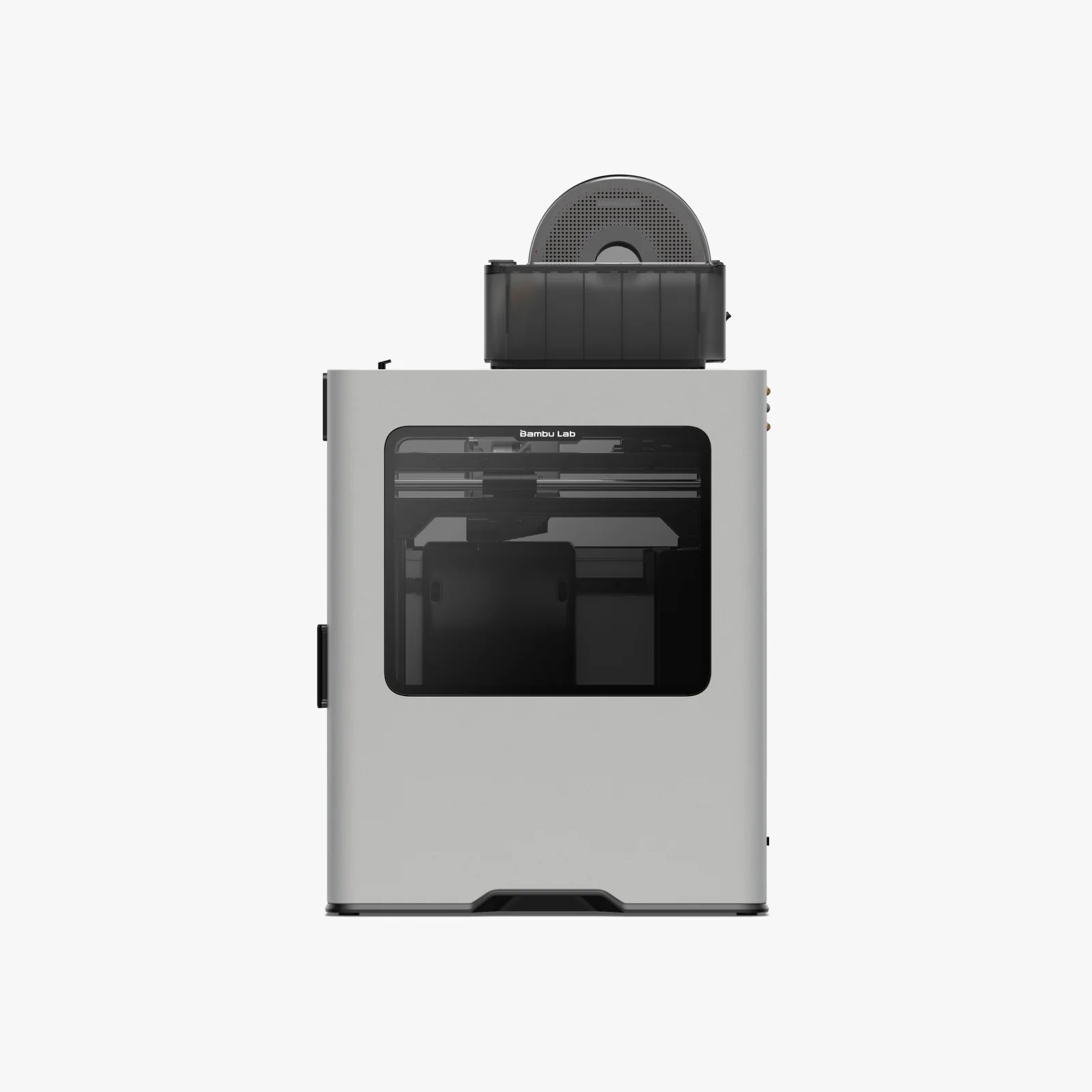
Installed in the Biomedical Technician Workshop at Vaiola Hospital, the new Prusa Core One+ 3D printer with filaments for engineering has quickly become an essential tool for the hospital’s maintenance team. In just over a week of operation, the printer has been running almost continuously as technicians explore its capabilities and begin producing parts that would otherwise be extremely difficult to source.

Building Local Capability
One of the most powerful aspects of this programme is not just the technology itself, but the knowledge transfer taking place alongside it.
Engineering students from the University of Canterbury have been working closely with hospital technicians to teach CAD design using Onshape, enabling them to design and manufacture their own custom components. This training helps technicians move from simply repairing equipment to actively engineering solutions themselves.
Because technicians have varying levels of experience with digital design tools, the UC team has been providing tailored tutorials and practical demonstrations to ensure everyone can participate and build their skills.
This approach ensures the technology becomes self-sustaining within the hospital, allowing local staff to continue innovating long after the training team has left.

Solving Real Equipment Challenges
Healthcare systems in remote regions often face a difficult reality: many medical devices remain in service for decades because replacement equipment is expensive and spare parts can take months to arrive.
With 3D printing, these challenges become far more manageable.
Already the team has produced a range of useful components including:
-
Custom screws and fasteners for training mannequins used by nursing students
-
Small repair parts for audiology tools
-
Custom-designed extensions and fixtures to support existing equipment
-
A solder stand produced for workshop use
-
Test prints demonstrating material flexibility using PETG
One particularly exciting example is a replacement cooling fan component, designed and printed locally to repair equipment that would otherwise require international parts shipments.
In one of the project photos, the completed fan assembly is shown alongside University of Canterbury engineering students Fergus McMullan and Matisse Laskey, together with Vaiola Hospital Biomedical Technician Eliydad Falefo’ou - a great representation of collaboration between students and healthcare technicians.
Extending the Life of Critical Equipment
Some of the hospital’s training equipment has been in use for over 35 years, and sourcing replacement components for these legacy systems can be nearly impossible.
By designing and printing custom parts locally, the biomedical team can now:
-
Extend the life of valuable medical equipment
-
Reduce downtime waiting for international freight
-
Rapidly prototype and test repair solutions
-
Improve the reliability of hospital services
This capability is especially valuable in island nations like Tonga where logistics delays and supply chain limitations can significantly impact healthcare operations.
A Small Machine Making a Big Difference
The addition of a single 3D printer might seem small, but its impact is substantial.
It transforms biomedical technicians from being dependent on external suppliers into local problem solvers and innovators, capable of designing and producing solutions on demand.
For the technicians at Vaiola Hospital, it means faster repairs, improved equipment availability, and ultimately better outcomes for patients and medical staff.
And for the students involved, it demonstrates exactly how engineering and additive manufacturing can improve lives beyond the lab or workshop.